

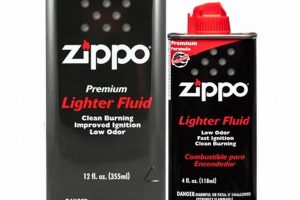

Retailer Bed Bath & Beyond commonly stocked refined petroleum distillate, suitable for refilling reusable metal lighters. This specialized fuel, typically packaged in small, sealed containers, is essential for maintaining the functionality of... Read more »
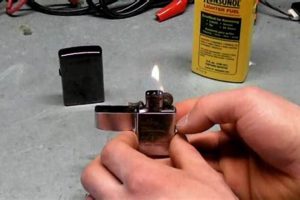
The process of replenishing a Zippo lighter’s fuel reservoir involves removing the lighter’s insert from its case and saturating the absorbent packing material with lighter fluid. This typically involves lifting the felt... Read more »

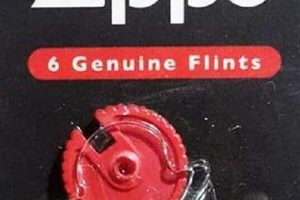
A small, replaceable ignition component composed of ferrocerium is essential for generating the spark required to ignite the butane fuel in a Zippo-style lighter. This hardened metal rod is forced against a... Read more »
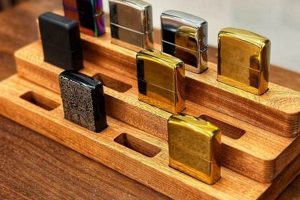
A protective enclosure designed specifically for a Zippo-style lighter typically features a hard outer shell, often made of metal, leather, or plastic. These containers safeguard the lighter from scratches, impacts, and other... Read more »
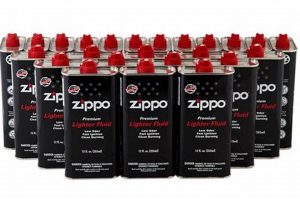
Using charcoal lighter fluid as fuel in a Zippo-style lighter, while possible, is generally discouraged. These lighters are designed for specific fuels like naphtha or butane, which burn cleaner and are less... Read more »
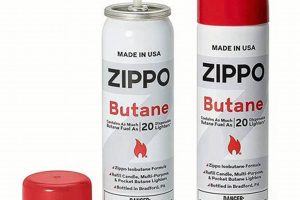
A refillable pocket lighter fueled by butane and producing a concentrated, high-temperature flame is often colloquially associated with a popular lighter brand. These devices typically feature a metal construction, adjustable flame, and... Read more »
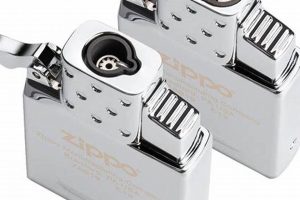
Insertable torch upgrades for classic lighter cases provide a powerful, wind-resistant flame powered by butane fuel. These inserts often replace the traditional wick and flint mechanism, offering a higher-intensity heat source suitable... Read more »
Flammable liquids specifically designed for charcoal grills are frequently used with reusable metal lighters renowned for their wind-resistant design. This combination offers a convenient and reliable method for igniting outdoor cooking fires.... Read more »
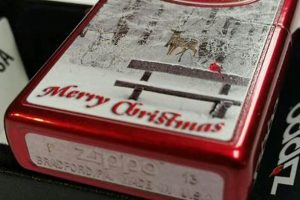
A protective and often decorative container designed specifically for a Zippo lighter, frequently adorned with Christmas-themed imagery, serves a dual purpose. It safeguards the lighter from damage while also offering a festive... Read more »
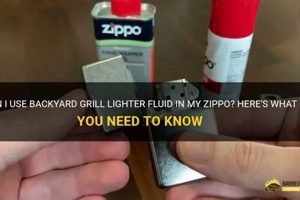
Using highly flammable liquids like those designed for charcoal grills to refill pocket lighters presents significant risks. While some individuals might attempt this due to perceived cost savings or convenience, the practice... Read more »