

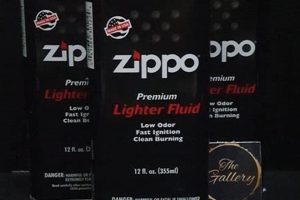

Acquiring lighter fuel is essential for the proper function of Zippo-style lighters. This specialized fuel, typically naphtha-based, is designed for optimal performance and longevity of these reusable lighters. For example, using the... Read more »

Pocket lighters engraved with personal mottos, unit insignias, and evocative imagery became ubiquitous among American soldiers during the Vietnam War. These personalized items, often manufactured by Zippo Manufacturing Company, served as more... Read more »

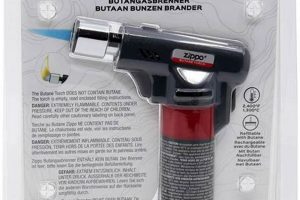
A pocket insert transforms a traditional lighter into a wind-resistant flame source fueled by pressurized hydrocarbon gas. This insert typically features a burner, adjustable flame control, and an ignition mechanism. A classic... Read more »

A collectible lighter, often brass or chrome, featuring the Zippo brand’s windproof design, can be associated with cannabis culture due to the numerical reference. These lighters may feature custom engravings or decorations... Read more »

The ideal length for a lighter wick ensures optimal fuel delivery and flame height. A wick that is too short will produce a weak flame and may be difficult to ignite, while... Read more »

A Zippo lighter requires occasional maintenance, including replenishing the consumable flint that creates the spark necessary for ignition. This small, cylindrical piece of flint, usually made of ferrocerium, wears down with each... Read more »
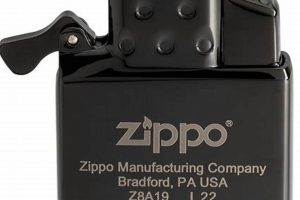
A dark-colored, gas-powered apparatus designed for a specific lighter brand offers a refillable alternative to traditional fluid fuel. This device typically consists of a gas reservoir, an ignition system utilizing a flint... Read more »
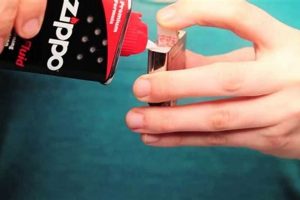
Replenishing the fuel in a classic lighter ensures its continued functionality. This process typically involves using lighter fluid specifically designed for this purpose, and carefully filling the designated chamber within the lighter’s... Read more »

The optimal length for a Zippo lighter wick is approximately 1/4 inch (6-7mm) above the chimney. This measurement ensures a proper flame height for reliable lighting while minimizing fuel consumption and soot... Read more »

Locating a specific destination requires clear and accurate navigational information. This information typically includes starting points, routes, landmarks, and estimated travel times, often provided through various media like maps, GPS devices, or... Read more »